
One stop solution for magnetic products
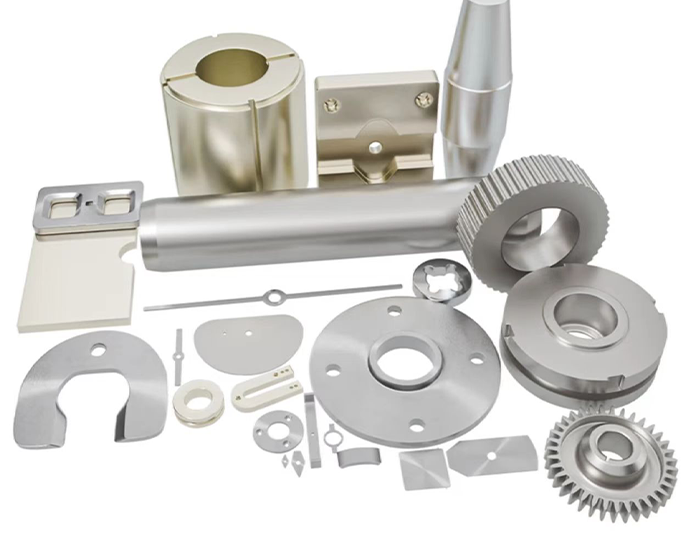
In the realm of permanent magnet brushless motors, there lies a core component long overlooked yet decisive to performance ceilings: magnet rings. Conventional designs assemble multiple magnetic tiles into a full ring, much like paving a road with broken rubble—uneven surfaces are inevitable.
The integrated radially oriented magnet ring we introduce today resembles a seamless solid stone slab, enabling ultra-smooth motor operation.
I. Four Chronic Drawbacks of Traditional Assembled Magnet Rings That Undermine Product Performance
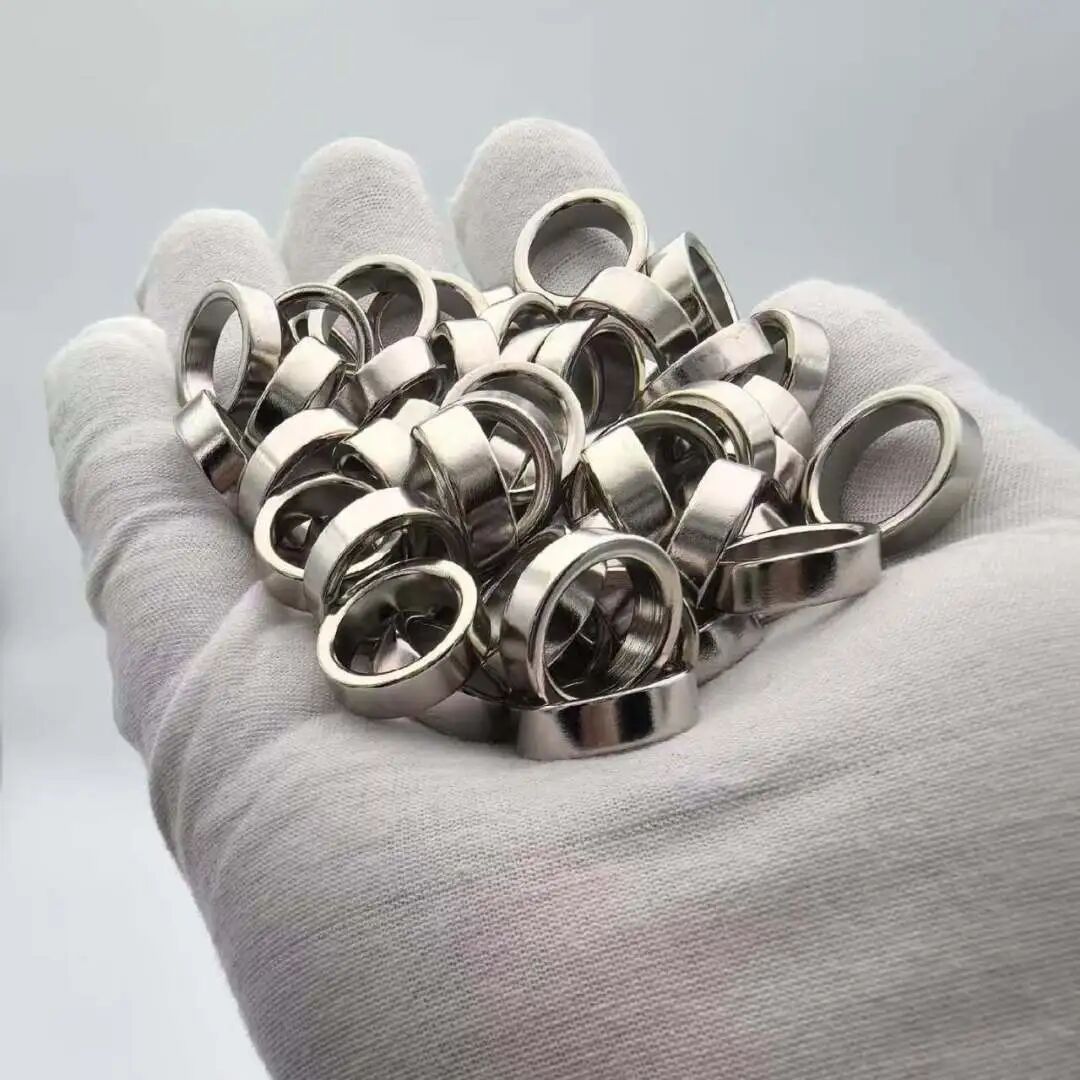
Most motors available on the market still adopt surface-mounted or interior embedded magnetic tile assembly structures. Though seemingly mature, this design bears inherent, hard-to-eliminate flaws:
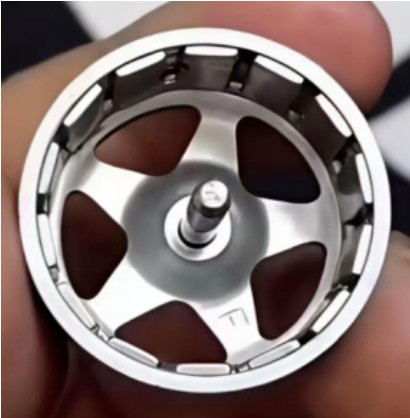
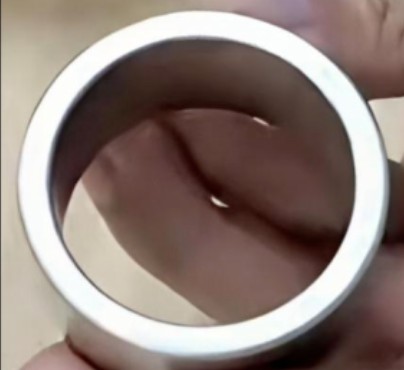
(Traditional Assembled Magnet Ring) (Integrated Magnet Ring)
1.Stringent precision requirements push up overall costs
Every magnetic tile must feature consistent dimensions, curved surfaces and magnetic properties; even minor deviations impair overall performance. This imposes extremely high standards for processing equipment and quality control, driving up manufacturing expenses directly.
2.Cumbersome assembly with low efficiency
Each tile requires individual bonding or installation, plus extra fixing components such as magnetic yokes and stainless steel sleeves. Multiple procedures rely heavily on manual labor, making consistent product quality hard to achieve.
3.Discontinuous magnetic circuits lead to severe cogging torque
Physical gaps between magnetic tiles distort magnetic flux at transition zones and generate cogging torque, one of the primary culprits behind motor vibration.
4.Excessive noise and vibration, fatal flaws for high-precision equipment
Disrupted magnetic flux combined with assembly tolerances trigger electromagnetic noise and vibration at high rotational speeds, which are unacceptable for servo systems, robot joints and other precision applications.
5.Bulky structure occupying valuable installation space
The frame-and-tile layout increases radial dimension and weight, conflicting with the industry trend of lightweight and compact equipment design.
II. Radial Magnet Rings: A Superior Specialized Technical Solution
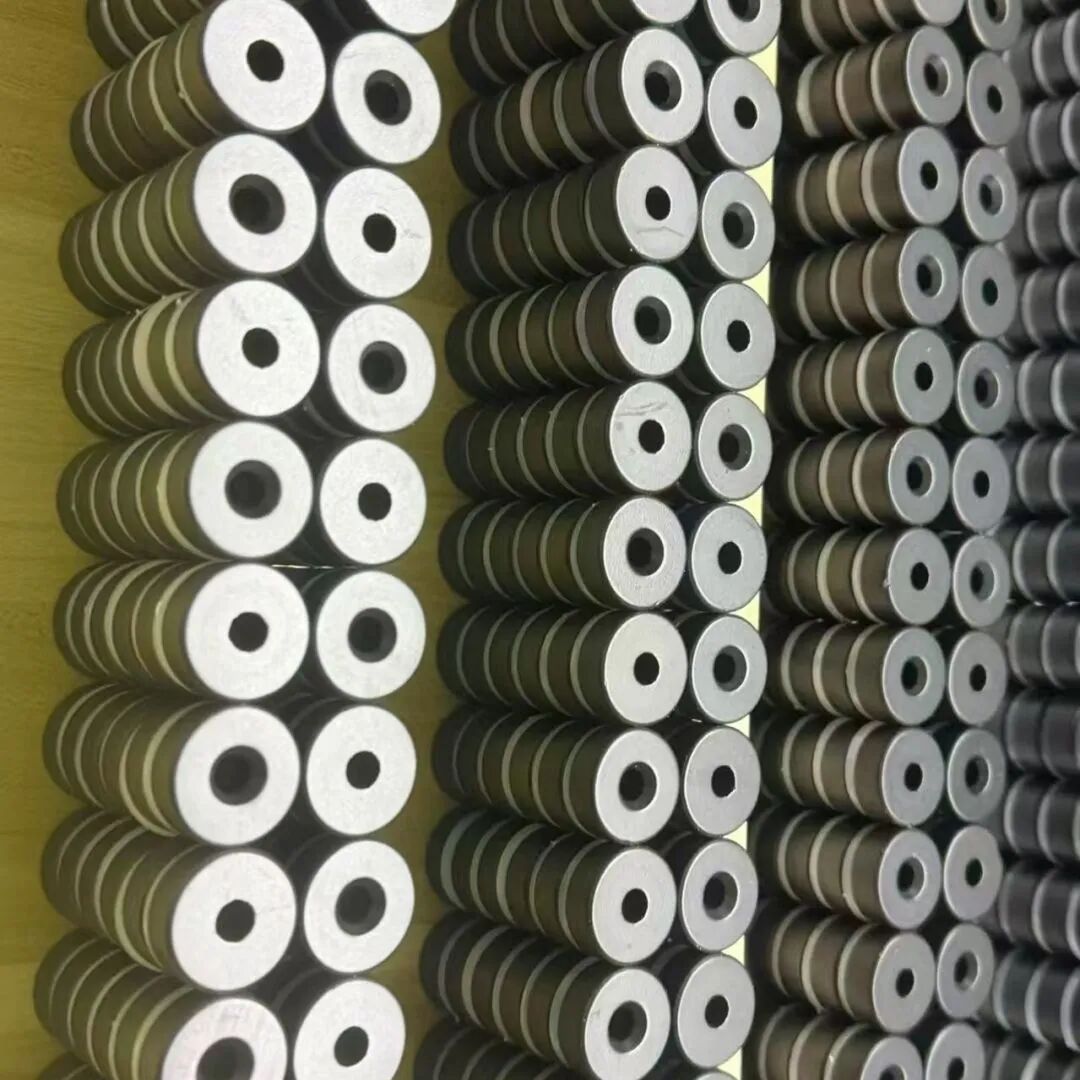
Radially oriented magnet rings, also known as radially anisotropic magnet rings, are not a brand-new concept. However, breakthroughs in material manufacturing processes in recent years have brought them out of laboratories and into high-end mass applications.
Their core advantage lies in one-piece forming: the entire ring is molded in a single step, delivering continuous, evenly distributed circumferential magnetic fields and completely eliminating discontinuities caused by tiled assembly.
Common Magnetization Types
l Single-pole inner & outer magnetization: For simple two-pole magnetic fields
l Multi-pole skew magnetization: Creates skewed poles to further suppress torque ripple
l Multi-pole straight magnetization: Standard multi-pole layout, the most widely adopted option
III. Product Classification: Match the Right Ring to Your Application
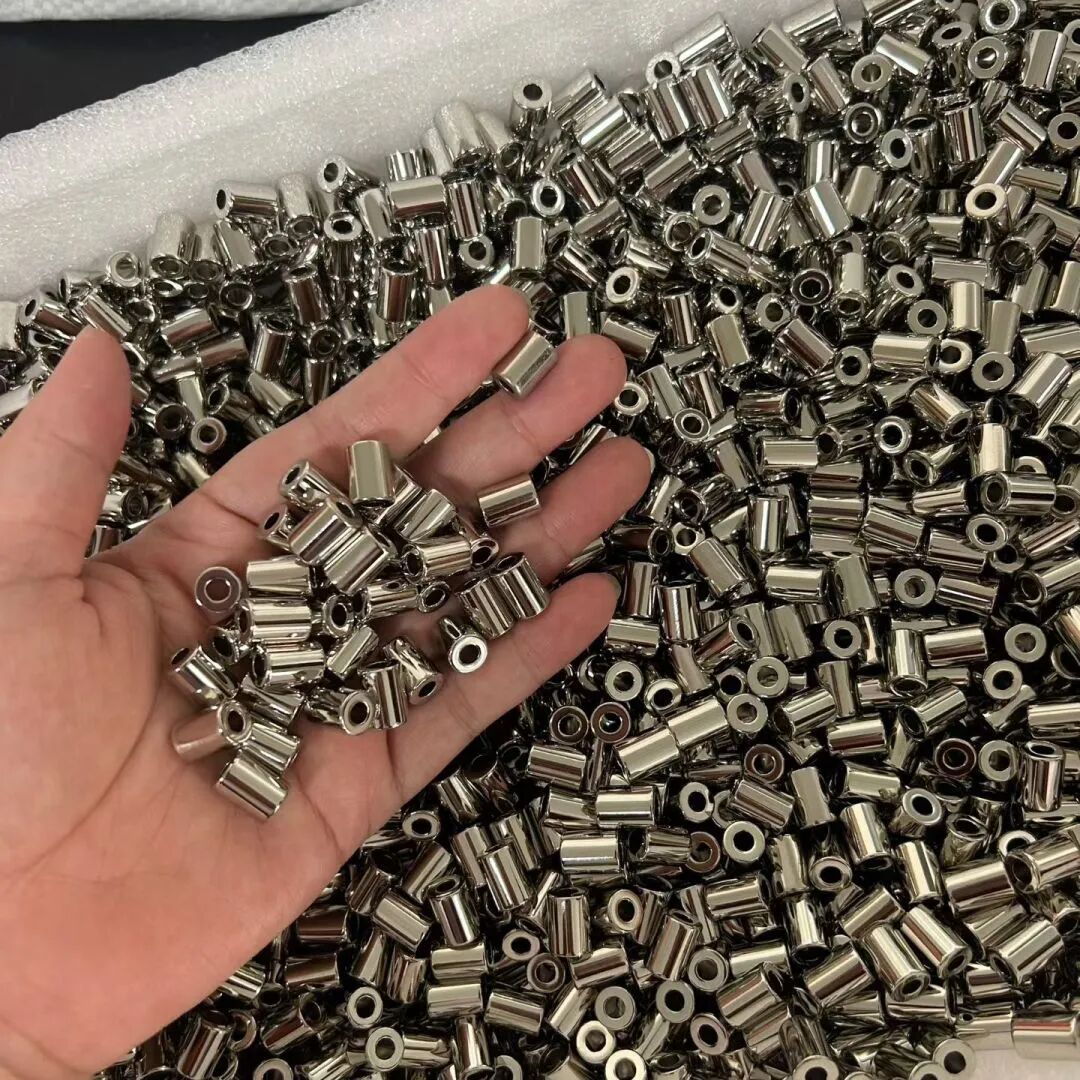
Integrated radial magnet rings fall into multiple subcategories by manufacturing process, material and structure, each suited for distinct working conditions.
1. Classified by Magnetic Orientation Process
l Field orientation: Used for sintered and bonded magnets, meeting general performance requirements
l Pressure orientation: Applied in hot-pressed/hot-deformed magnets for higher orientation degree and density
2. Classified by Material System
Three mainstream permanent magnet material families with distinct characteristics:
① Ferrite: Cost-effective and durable, dominating mass-market consumer products
② Samarium-Cobalt (SmCo): High-temperature resistant premium material ideal for aerospace and cutting-edge equipment, yet costly and brittle
③ Neodymium Iron Boron (NdFeB): Cost-performance champion with the highest magnetic energy product and adjustable coercivity, widely adopted in high-performance motors. Its main limitations are susceptibility to demagnetization under heat and corrosion, requiring protective coatings.
Each material has unique strengths, covering magnetic applications from low-cost household appliances to aerospace heavy-duty machinery. Industry statistics show NdFeB magnet rings account for over 70% of the high-performance motor market, making them the absolute mainstream choice.
3. Classified by Structural Dimension
Judged by inner-to-outer diameter ratio K = d/D:
l K < 0.7: Thick-walled rings with high mechanical strength for high-torque applications
l K > 0.9: Thin-walled lightweight rings designed for high-speed motors
IV. Dimensional Limitations: Production Size Restrictions
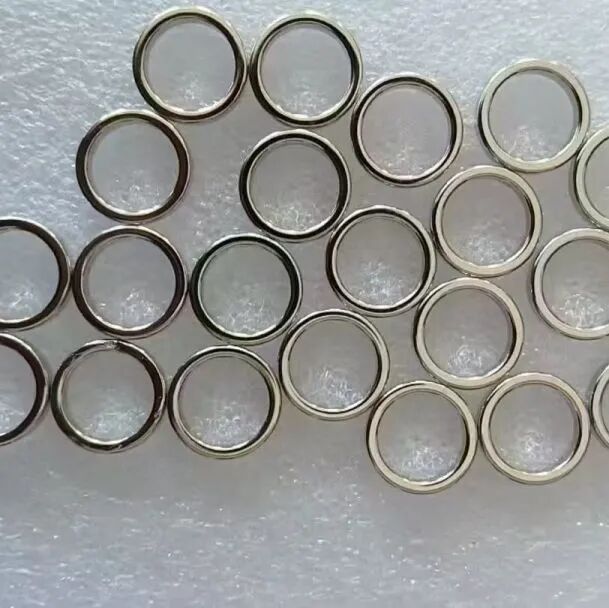
Different manufacturing processes support vastly different dimensional ranges, directly affecting production costs and yield rates:
1.Bonded magnets: Highly customizable, capable of tiny millimeter-scale pieces up to hundreds of millimeters in diameter, featuring ultra-thin walls and flexible shapes—an all-rounder for custom orders
2.Hot-pressed/hot-deformed magnets: Precision specialists focused on micro-components under 30 mm, delivering ultra-dense thin-walled miniature rings with premium magnetic performance
3.Sintered magnets: Heavy-duty solutions theoretically producible above 200 mm. However, sizes exceeding 120 mm come with major risks: yield rates drop below 60%, manufacturing costs surge, and deformation/cracking frequently occur, forcing manufacturers to carefully weigh trade-offs for large-size orders.
V. Leading Application Scenarios for Integrated Radial Magnet Rings

l Servo motors: Demand exceptional running smoothness and minimal torque ripple; radial rings are nearly irreplaceable
l Robot joints: Require high torque density and low noise; hot-pressed NdFeB radial rings deliver outstanding results
l Magnetic drives & magnetic couplings: Inherent continuous magnetic field without gaps, a native match for this equipment
l Precision instruments: Centrifuges, gyroscopes and other devices highly sensitive to vibration
l High-speed motors: Thin-walled radial rings effectively reduce centrifugal stress on rotors
Redesigning magnetic circuits shapes the future of motor technology. As equipment demands quieter, more efficient and more compact designs keep rising, integrated radial magnet rings are transitioning from high-end custom parts to mass-produced standard components. It is predicted that within the next 3 to 5 years, radial magnet rings will penetrate broader markets including power tools, UAVs and household appliance motors, eventually becoming the mainstream technical route for permanent magnet motors.
About Saintlangma
Saintlangma provides customized professional magnetic material solutions for clients, covering a full lineup of magnet rings including ferrite, samarium-cobalt and neodymium iron boron, paired with comprehensive pre-sales and after-sales support. Whether you need micro thin-walled rings or large-size thick-walled variants, we can deliver the most cost-effective technical solution tailored to your needs!
Search
Categories List
Please give us a message
Beijing Saint Langma Magnetic Technology Co.,Ltd