
One stop solution for magnetic products
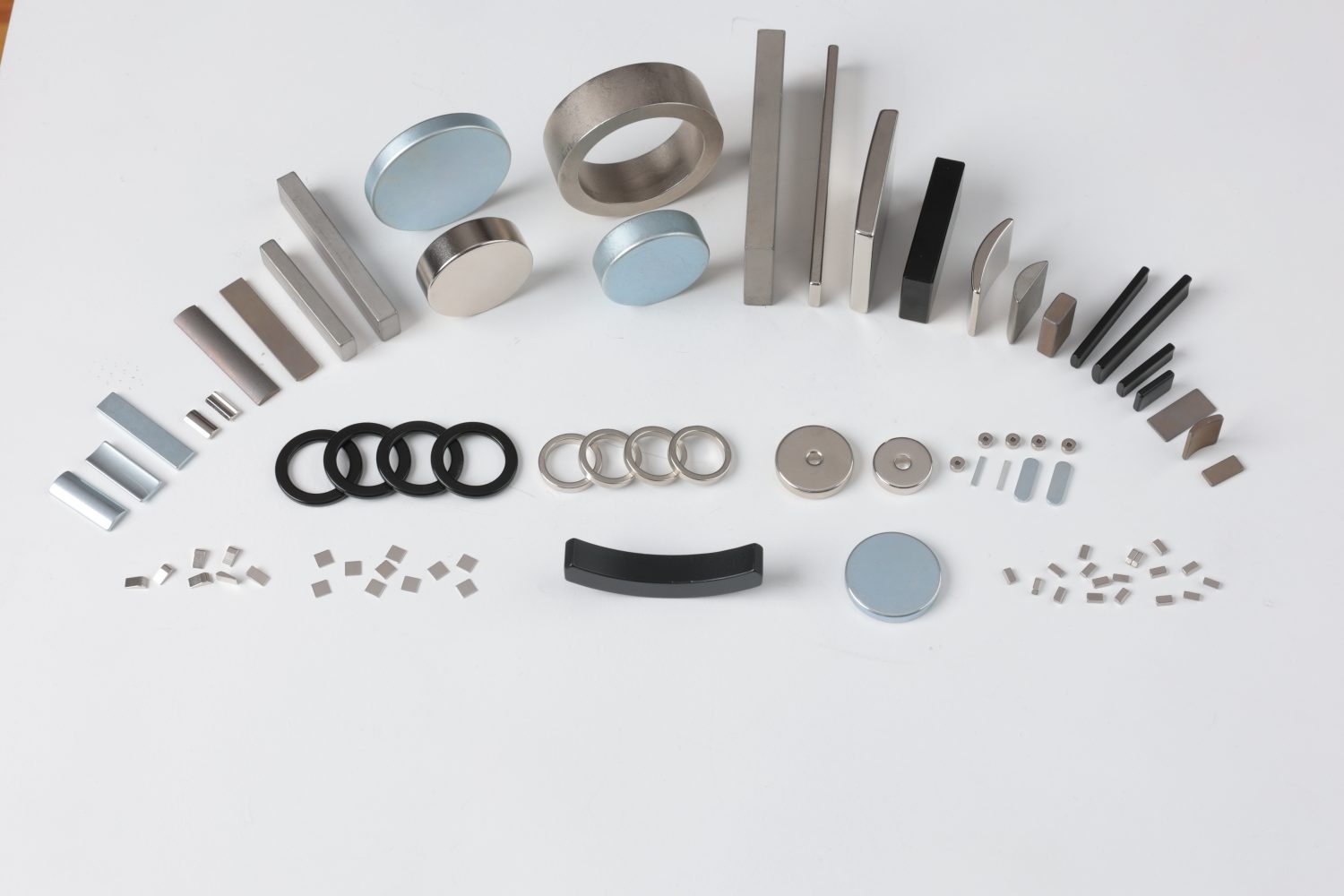
Rare earth permanent magnets rarely fail due to natural aging; instead, they succumb to these invisible threats.
The service life of permanent magnets is never a fixed figure. It is a dynamic balance between material properties and service conditions. Under real working conditions, high temperature, corrosion and mechanical impact are the three primary causes of premature magnet scrapping. Today, we will break down their failure mechanisms one by one, and share decades of industry experience accumulated by Sanlangma.
Enemy 1: High-Temperature Demagnetization – Irreversible Magnetic Domain Disorder
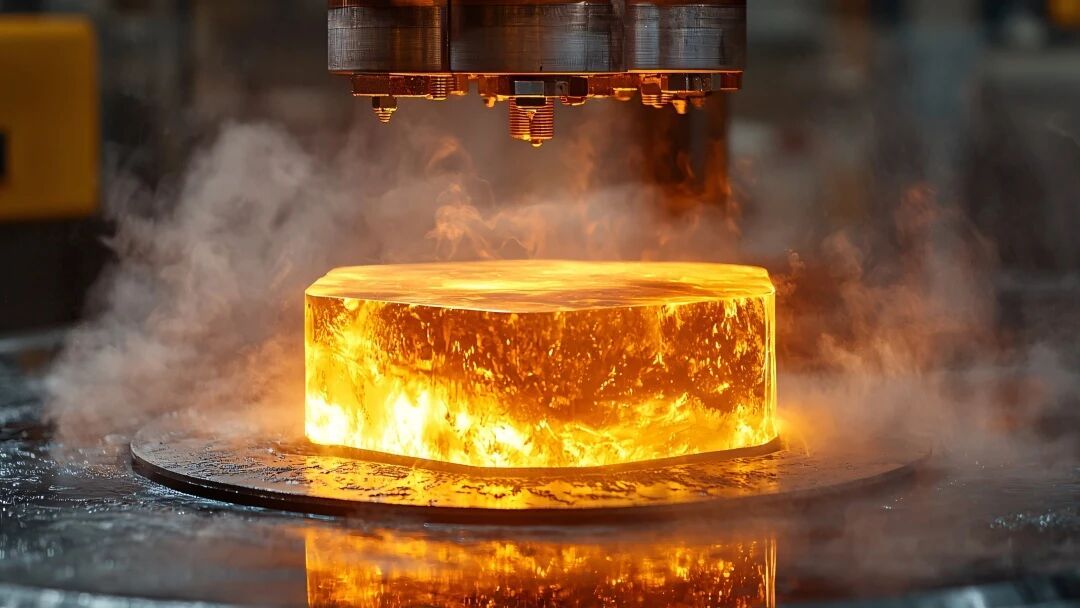
Failure Mechanism
A. Demagnetization of NdFeB magnets: Obvious demagnetization occurs above 80°C, and permanent loss of magnetism takes place over 320°C.
B. Remanence attenuation of ferrite & samarium-cobalt magnets: They boast superior temperature resistance, yet extreme heat will still disrupt magnetic domain alignment and trigger irreversible remanence decline.
Solutions
01.Optimize Material Selection
For high-temperature applications, prioritize samarium-cobalt magnets (temperature resistance up to 350°C) or UH/EH grade NdFeB magnets (150–220°C heat resistance), which raise the critical temperature by over 50%.
02.Temperature Regulation
Install heat sinks and forced air cooling to keep operating temperature below 80% of the material’s critical threshold, drastically reducing demagnetization rate.
03.Performance Margin Design
Reserve a 10–15% magnetic performance allowance to offset long-term thermal aging, guaranteeing 10-year stable magnetization for core equipment.
Enemy 2: Coating Failure – Chronic Corrosion from Surrounding Environments
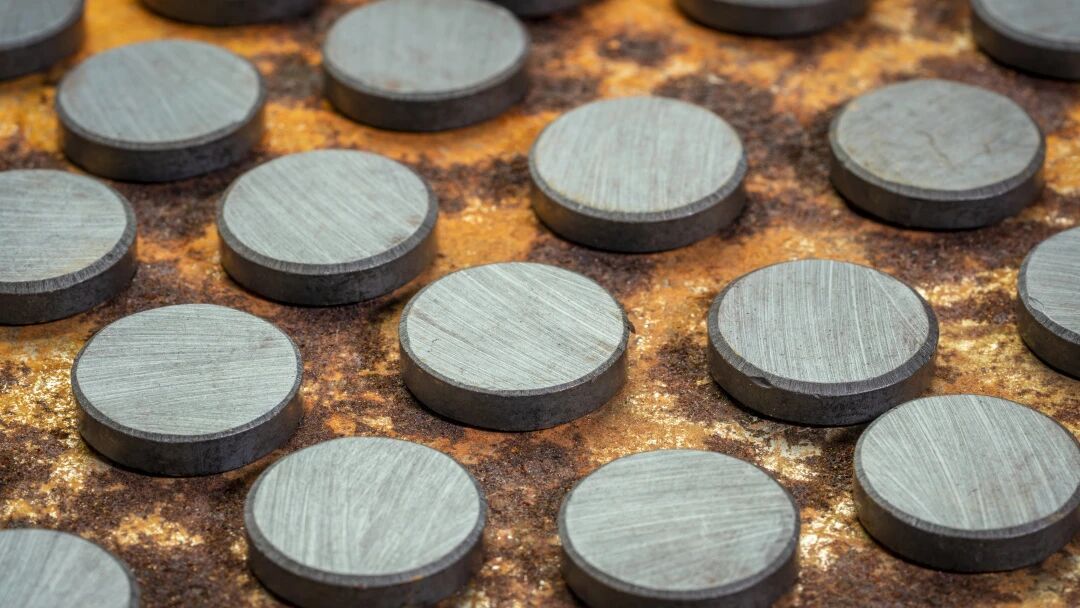
Failure Mechanism
A. Oxidation of NdFeB substrates
Uncoated NdFeB magnets oxidize and turn to powder within months when ambient humidity exceeds 60%.
B. Coating chipping & damage
Once the protective coating cracks, corrosive media seep through defects, causing internal pulverization, swelling and cracking of the magnet body.
Solutions
01.Strict Coating Specifications
Specify nickel plating thickness ≥5μm with a minimum 48-hour salt spray resistance test. For humid or corrosive environments, adopt epoxy resin coating, extending service life from several months to over 10 years.
02.Periodic Inspection
Check coating integrity every 6–12 months. Touch up protective paint immediately upon detecting damage to stop local corrosion spread.
03.Material Replacement
For high-humidity or chemical environments, select ferrite magnets by default. Featuring natural ceramic corrosion resistance without coating treatment, they normally serve over 15 years.
Enemy 3: Mechanical Fracture – Silent Hazard from Vibration
Failure Mechanism
A. Disturbed magnetic domain alignment
Repeated vibration, impact or assembly stress distorts magnetic domain arrangement and generates microcracks inside the magnet.
B. Brittle nature of NdFeB
NdFeB material is hard and brittle, extremely sensitive to mechanical stress; heavy impact will directly crack or split the magnet.
Solutions
01.Shock Isolation & Buffering
Fit non-magnetic gaskets (copper, rubber pads) between magnets to eliminate direct collision and greatly boost impact resistance.
02.Reliable Fixing Method
For high-vibration scenarios, adopt mechanical clamping (rather than adhesive bonding alone) with buffer glue layers, preventing magnet loosening and collision after adhesive aging.
03.Optimized Structural Design
Add limit grooves or magnet sleeves at key positions to avoid axial and radial displacement.
With all the above solutions implemented, the actual service life of permanent magnets will far exceed the industry average. In short, long service life is never left to chance — it is achieved through deliberate, precise design.
This is the core philosophy Saintlangma consistently adheres to in material selection and R&D. We never rely on luck to determine product lifespan. Drawing on profound expertise and abundant project experience, we conduct rigorous material science analysis, structural mechanics calculation, reliability modeling and accelerated life testing. Combined with real-world working condition data from hundreds of projects, we have built a complete closed-loop system covering design simulation, prototype verification, mass production tracking and iterative optimization. Therefore, we can accurately define the optimal parameters for long-lasting magnets under specific loads and environmental conditions.
If you have any questions about permanent magnet materials,
feel free to leave a comment or send us a private message.
We are ready to offer professional consultation and practical solutions for you.
Search
Categories List
Please give us a message
Beijing Saint Langma Magnetic Technology Co.,Ltd