
One stop solution for magnetic products
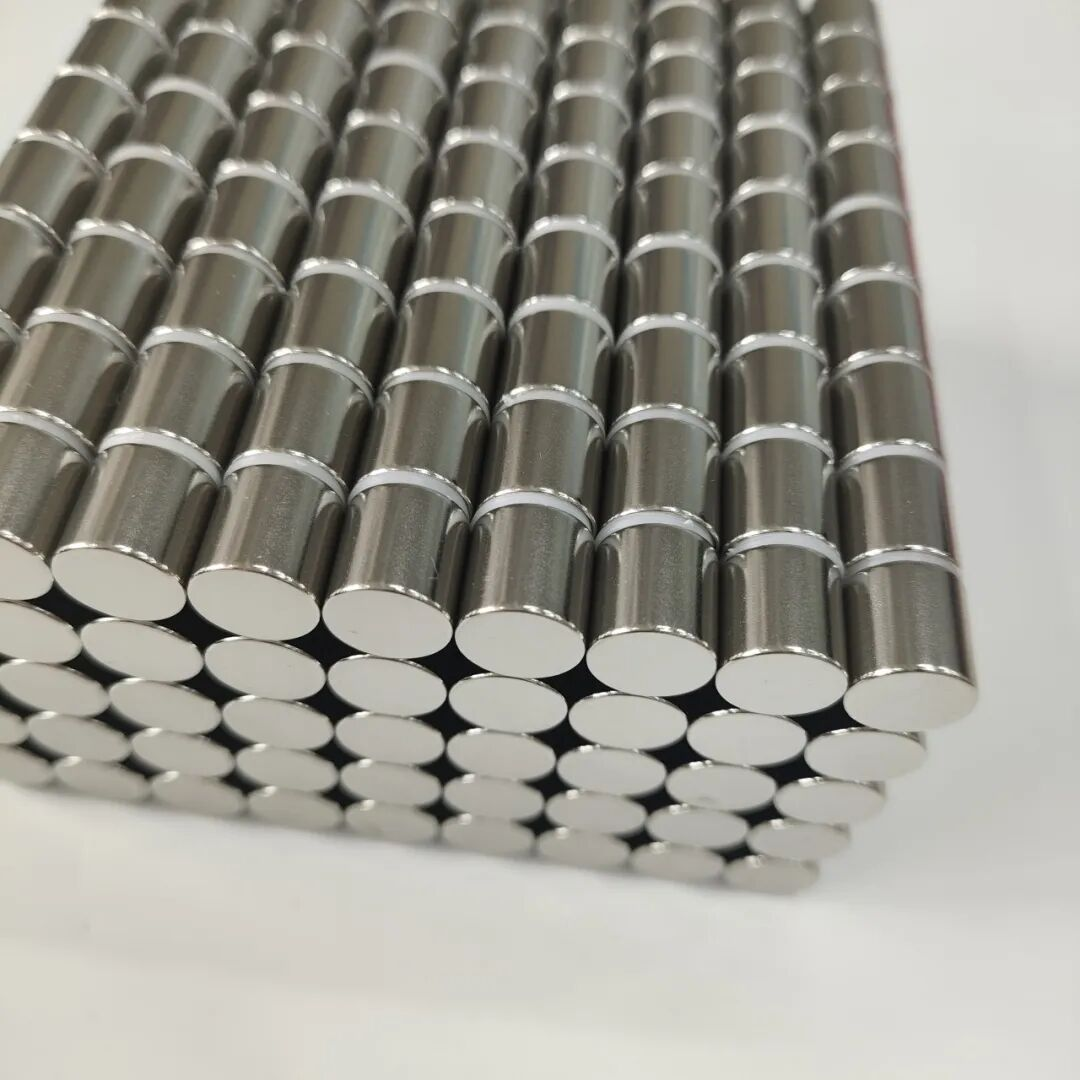
A Guide to NdFeB Magnet Corrosion Protection
Practical insights to help you choose the right magnetic material and surface treatment
Introduction.
According to market statistics, the global NdFeB magnet market is expected to reach USD 9.88 billion by 2026, with a CAGR of 5.9%. However, despite being a powerhouse in magnetic performance, NdFeB magnets have one critical weakness — they are highly susceptible to corrosion. Today, Saint Langma takes a closer look at three major corrosion-protection technologies: phosphating, electroplating, and electrophoretic coating. Backed by industry data and practical insights, this guide provides a solid reference for selecting the right magnetic material and corrosion-protection solution.
Three Main Anti-Corrosion Technologies on the Market
To address the corrosion challenges of NdFeB magnets, the industry has developed three mature surface treatment technologies. Here, we’ll break them down from three key perspectives: principles, performance, and applications.
01. Phosphating: The Proven Wisdom of a Century-Old Process
1) How It Works
Phosphating is a chemical and electrochemical process that forms a phosphate conversion film on the magnet surface. Rather than being a simple coating, the film is formed through a chemical reaction with the base metal, creating an in-situ protective layer with strong adhesion to the substrate.
2) Key Advantages
• Pre-treatment protection: Used as a base treatment before coating, significantly improving the adhesion of subsequent organic coatings.
• Highly mature technology: Phosphating has been used in industrial applications for more than 90 years, with proven process stability.
• Lubrication during machining: During cutting, grinding, and other cold-working processes, the phosphate film can reduce friction and minimize processing damage.
3) Performance Reference
The typical phosphating film thickness is 1–5 μm, with neutral salt spray (NSS) resistance of approximately 24–48 hours. It is mainly used as an intermediate layer and generally requires additional sealing or coating treatment to achieve higher levels of corrosion resistance.
4) Typical Applications
Industrial magnet assemblies requiring moderate corrosion resistance and subsequent coating treatment.
02. Electroplating: The Classic Choice for a Metal Shield
1) How It Works
Electroplating uses electrolysis to deposit a layer of nickel, zinc, Ni-Cu-Ni, or other metals/alloys onto the magnet surface. Like a metal armor, the plating layer protects the magnet by physically isolating it from corrosive media and providing cathodic protection.
2) Key Advantages
• Excellent corrosion resistance: Ni-Cu-Ni multilayer coatings can typically withstand 72–96 hours or more in salt spray testing.
• Excellent wear resistance: The high hardness of metal coatings makes them suitable for applications involving mechanical friction.
• Good electrical conductivity: Suitable for applications requiring electromagnetic shielding, grounding, and other electrical functions.
• Widely used across industries: Electroplating is one of the most widely adopted surface treatments for NdFeB magnets, offering strong process versatility.
However, strict surface pretreatment is required before electroplating. Hydrogen embrittlement may also occur during the plating process, so appropriate post-plating dehydrogenation treatment is required to mitigate the risk.
3) Typical Applications
Consumer electronics, automotive components, industrial motors, and other applications requiring high corrosion resistance and wear resistance.
03. Electrophoresis: A Protective Coating for Precision Magnets
1) How It Works
Electrophoretic Deposition (EPD) uses an electric field to move charged particles toward the opposite electrode, allowing epoxy resin and other organic coatings to be deposited evenly onto the magnet surface. The coating is then cured through baking to form a dense protective layer.
2) Key Advantages
• Excellent coverage: Electrophoretic coatings offer excellent leveling and penetration, allowing uniform coverage of complex surfaces and microscopic pores for comprehensive protection.
• Strong adhesion: The coating can form strong chemical bonding with the porous magnet surface, providing better adhesion than conventional spray coating.
• Excellent chemical resistance: Epoxy coatings offer strong resistance to salt spray, acids, alkalis, and other corrosive media, with salt spray resistance potentially reaching 500–1,000 hours.
• More environmentally friendly: Water-based electrophoretic coatings have low VOC emissions and comply with increasingly stringent environmental regulations.
• Ideal for complex applications: Electrophoresis is one of the mainstream corrosion protection technologies for sintered and bonded NdFeB permanent magnets, particularly suitable for precision magnets with complex geometries and demanding coating uniformity requirements.
3) Typical Applications
High-salt-spray and high-humidity environments, such as offshore wind power and automotive engine compartments, as well as precision electronic components, medical devices, and other applications requiring extremely high reliability.
Choose the Right One — Not Just the Most Advanced One
Selection Recommendations
1. For cost-sensitive applications in general corrosive environments:
Phosphating with an additional sealing treatment is recommended.
2. For applications requiring high wear resistance in moderately corrosive environments:
Ni-Cu-Ni electroplating is a suitable choice.
3. For applications requiring high reliability in highly corrosive environments:
Electrophoretic coating or a combined electroplating + electrophoretic coating process is recommended.
Corrosion Protection: The “Invisible Battleground” for Magnet Lifetime
As the NdFeB industry continues to expand, surface treatment has evolved from a supporting process into a critical factor determining magnet reliability. Whether it is the long-term stable operation of new energy vehicle motors or the 25-year design life of offshore wind turbines, reliable corrosion protection is essential. Choosing the right surface treatment is not only about protecting the permanent magnet itself — it is also an investment in the reliability, performance, and brand reputation of the final product.
If you are looking for permanent magnet materials, feel free to leave us a message or contact us. We are committed to providing the right magnetic solutions to meet your needs.
Data Sources
• Business Research Insights, Neodymium Iron Boron Magnet Market Report, 2026
• Future Data Matrix, NdFeB Permanent Magnet Material Market Analysis, 2026
• Forward Industry Research Institute, Development Prospects of China's Rare Earth Permanent Magnet Materials Industry, 2024
Some content in this article has been compiled based on publicly available online technical materials and market research reports. If there is any copyright infringement, please contact us for removal.
Search
Categories List
Please give us a message
Beijing Saint Langma Magnetic Technology Co.,Ltd