
One stop solution for magnetic products
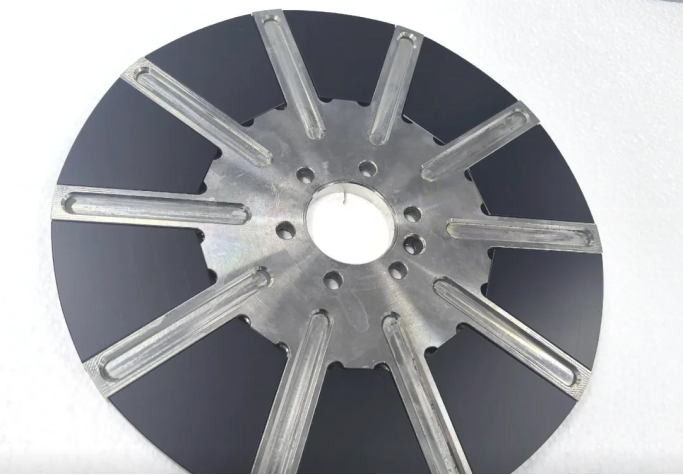
Ⅰ Permanent Magnets: The Source of Magnetic Field for Axial Flux Motors Whether radial flux motors or axial flux motors, permanent magnets fundamentally supply a strong, stable excitation magnetic field with no external energy input required.
For axial flux motors:
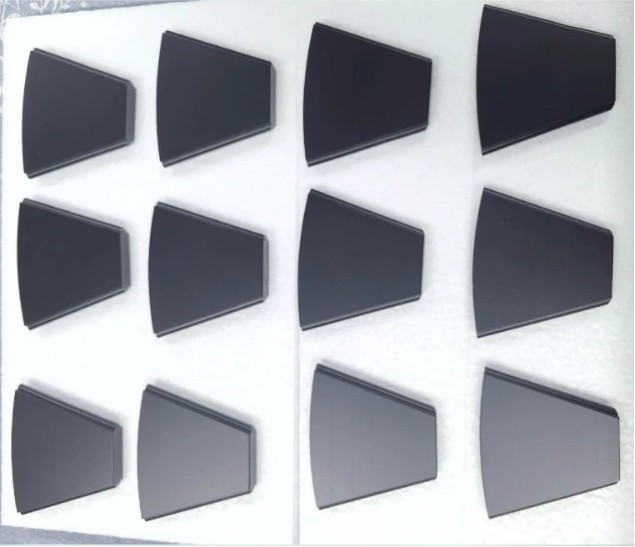
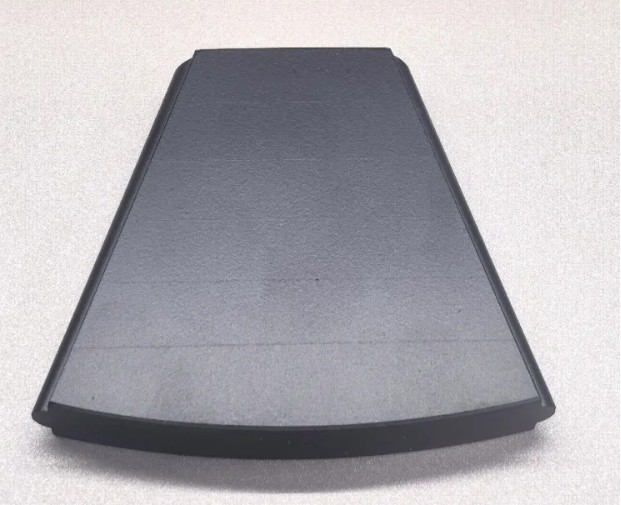
Magnetic Field Generation: High-performance magnets, mostly neodymium iron boron (NdFeB), are precisely mounted on rotor discs to form alternating north (N) and south (S) poles.
Magnetic Circuit Route: Magnetic flux starts from the N pole of a permanent magnet, travels axially through the narrow air gap, enters the stator core, and loops back to the adjacent S pole to build a fully closed magnetic circuit.
In short, axial flux motors cannot deliver high efficiency and high power density without high-grade permanent magnets.
Ⅱ How Axial Flux Structure Maximizes the Performance of Permanent Magnets
This is the core of their matching relationship. The distinctive architecture of axial flux motors brings inherent strengths in permanent magnet utilization, detailed as follows:
1. Exceptionally High Permanent Magnet Utilization Rate
Principle: On the rotor disc of an axial flux motor, permanent magnets have a large full annular working surface. Nearly all effective surface faces stator windings and contributes to torque production, with no magnetic flux wasted at motor end sections.
Comparison with radial flux motors: Radial flux motors feature radially oriented magnetic flux; magnets line the rotor outer circumference, leading to poorer flux utilization at end zones.
Result: Magnets of identical volume and mass generate more magnetic flux and higher torque in axial flux machines, which directly accounts for their superior torque density.
2. Excellent Heat Dissipation Safeguards Magnets and Boosts Output Power
Flat layout design: Stator windings are manufactured as thin discs that fit tightly against motor housing cooling circuits (e.g., water channels), creating an ultra-short heat conduction path.
Benefits to permanent magnets: Effective cooling enables sustained high-temperature operation without overheating. This is critical because high-performance NdFeB magnets risk irreversible demagnetization at elevated temperatures. Reliable cooling stabilizes magnet performance under high heat and heavy loads, enabling higher power rating designs.
3. Adaptable Multi-Disc Configurations for Flexible Magnetic Field Reinforcement
Axial flux motors readily adopt multi-disc layouts: stator-rotor-stator or rotor-stator-rotor. Such layouts multiply magnet effectiveness by creating two or more parallel magnetic circuits and air gaps within one unit. Torque and power surge dramatically with little increase in overall motor diameter.
4. Better Resistance Against Mechanical Stresses on Permanent Magnets
Centrifugal force trouble: Magnets endure massive centrifugal force at high rotational speeds, complicating secure mounting. In radial flux motors, centrifugal force acts radially outward, demanding heavy-duty retaining sleeves.
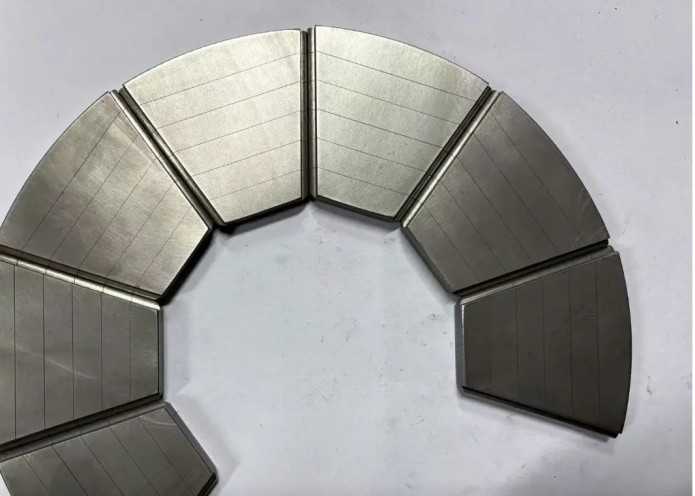
Axial flux motor advantages: Centrifugal force on axial flux motor magnets acts tangentially, while dominant magnetic pulling force works axially. Reinforcing bearings and frameworks to counter axial loads is mechanically simpler than restraining outward radial centrifugal force at high speeds.
Search
Categories List
Please give us a message
Beijing Saint Langma Magnetic Technology Co.,Ltd