
One stop solution for magnetic products
PRODUCTS
MESSAGE
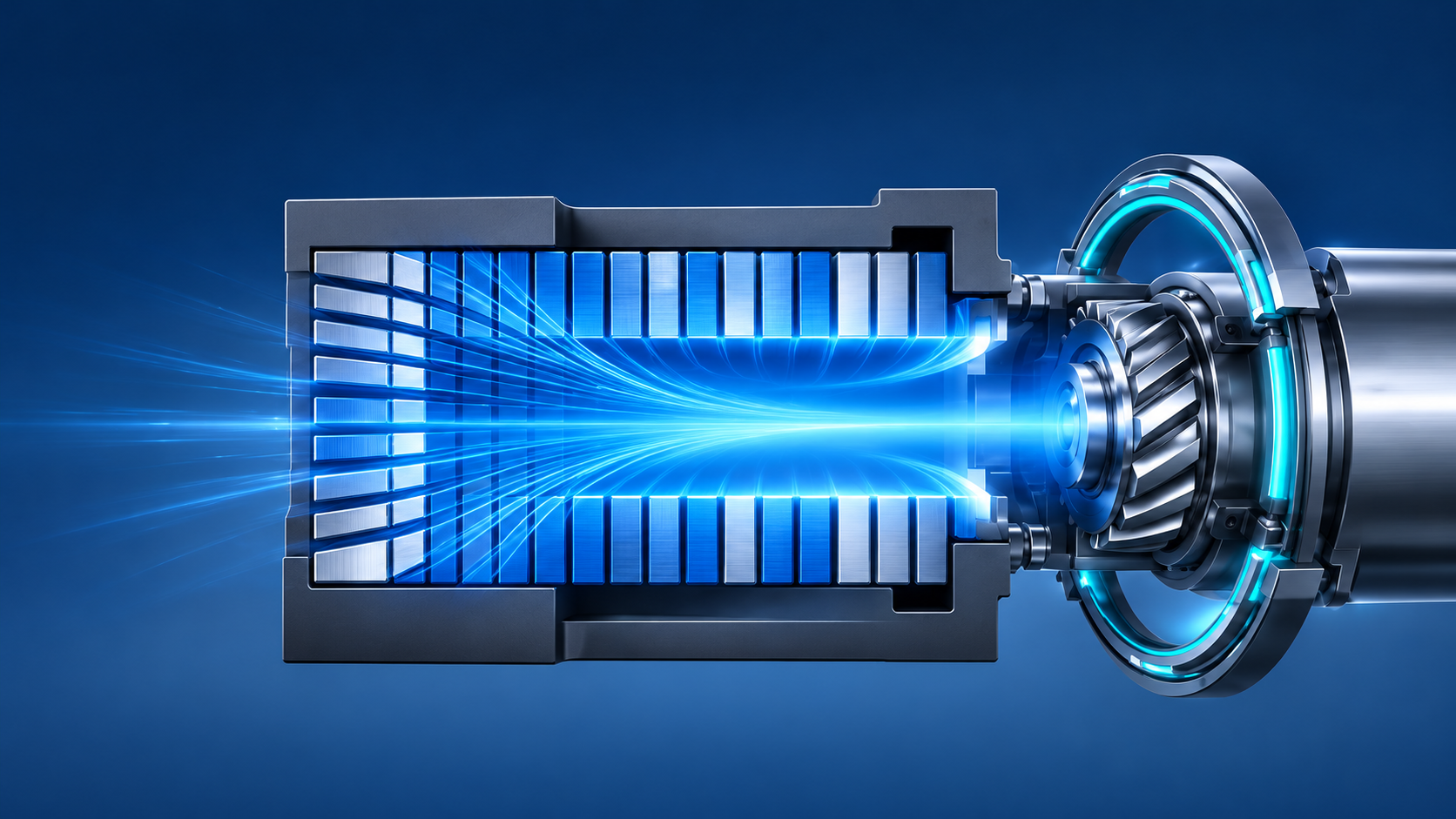
Tunnel Magnetic Structure: How to Concentrate Magnetic Flux and Reduce Leakage
In permanent magnet circuit design, magnetic flux leakage has always been a major challenge affecting magnetic efficiency.
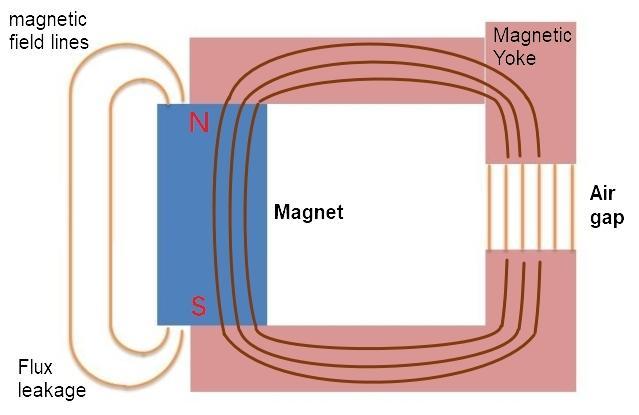
In conventional magnetic circuits, magnetic flux may spread in multiple directions, with a considerable portion leaking from the sides instead of passing through the intended working air gap. As a result, the effective magnetic flux available in the working area is limited.
To increase air-gap magnetic field strength, simply adding more magnets is often not the most efficient solution. It takes up valuable space and increases material costs.
Tunnel Magnetic Structure offers an alternative design approach. By combining permanent magnets with an optimized magnetic yoke structure, it guides magnetic flux along a controlled path, concentrating more of the magnetic field in the intended working area and improving magnetic flux utilization through structural optimization.
1. Working Principle of Tunnel Magnetic Structure: How Is Magnetic Flux Concentrated?
The core principle of a tunnel magnetic structure lies in the coordination between magnet arrangement and the magnetic guiding structure.
Its working principle involves three main aspects:
1.1 Permanent Magnets Provide the Magnetic Field Source
Permanent magnets are the primary source of the magnetic field in the circuit.
Depending on the required magnetic field strength, operating temperature, and available installation space, materials such as sintered NdFeB or SmCo can be selected, along with the appropriate magnet grade and magnetization direction.
1.2 Magnetic Yoke Controls the Flux Path
The magnetic yoke and supporting structures provide a relatively low-reluctance path for magnetic flux.
This helps guide the flux along the intended direction and reduces unnecessary magnetic flux dispersion in non-working areas.
1.3 Concentrating Magnetic Flux in the Working Area
By optimizing magnet arrangement, pole geometry, and air-gap dimensions, magnetic flux can be directed toward the target area, improving the effective magnetic flux density in the working air gap.
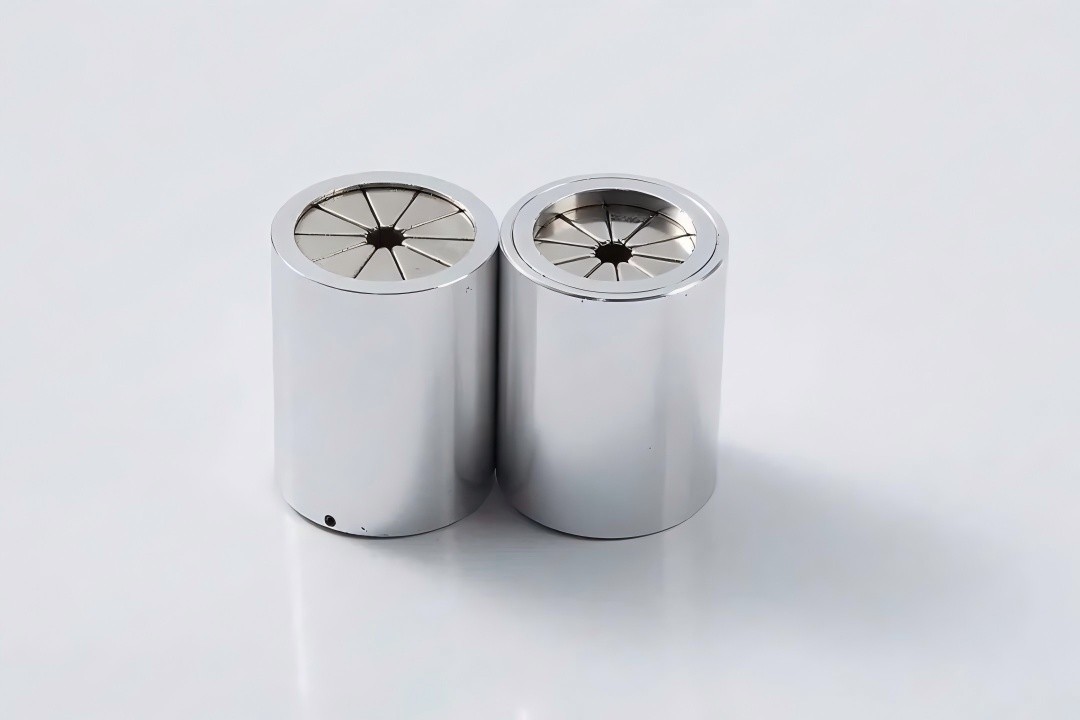
2. Key Advantages of Tunnel Magnetic Structure: Better Flux Concentration with Less Magnet Material
The value of tunnel magnetic structures comes from their flux-concentration design, which optimizes overall magnetic circuit performance.
2.1 Higher Magnetic Flux Utilization
By controlling the magnetic flux path and reducing side leakage, more magnetic flux can be directed toward the working air gap.
With the same amount of magnet material, an optimized design may achieve higher effective air-gap magnetic flux density.
2.2 More Compact Structure and Reduced Magnet Usage
By improving magnetic flux utilization, tunnel magnetic structures may help reduce magnet material requirements while maintaining the target magnetic field performance.
This allows for more compact designs and supports the development of smaller and lighter equipment.
2.3 Improved Magnetic Field Distribution
A properly designed tunnel magnetic structure can help optimize magnetic field distribution within the working area.
This is particularly useful in precision sensing and high-accuracy drive systems, where magnetic field consistency and waveform quality are important.
2.4 Reduced External Magnetic Interference
Through appropriate magnetic flux guidance and additional magnetic shielding when necessary, external flux leakage can be reduced.
This helps minimize potential interference with nearby sensors, electronic components, and other magnetically sensitive devices.
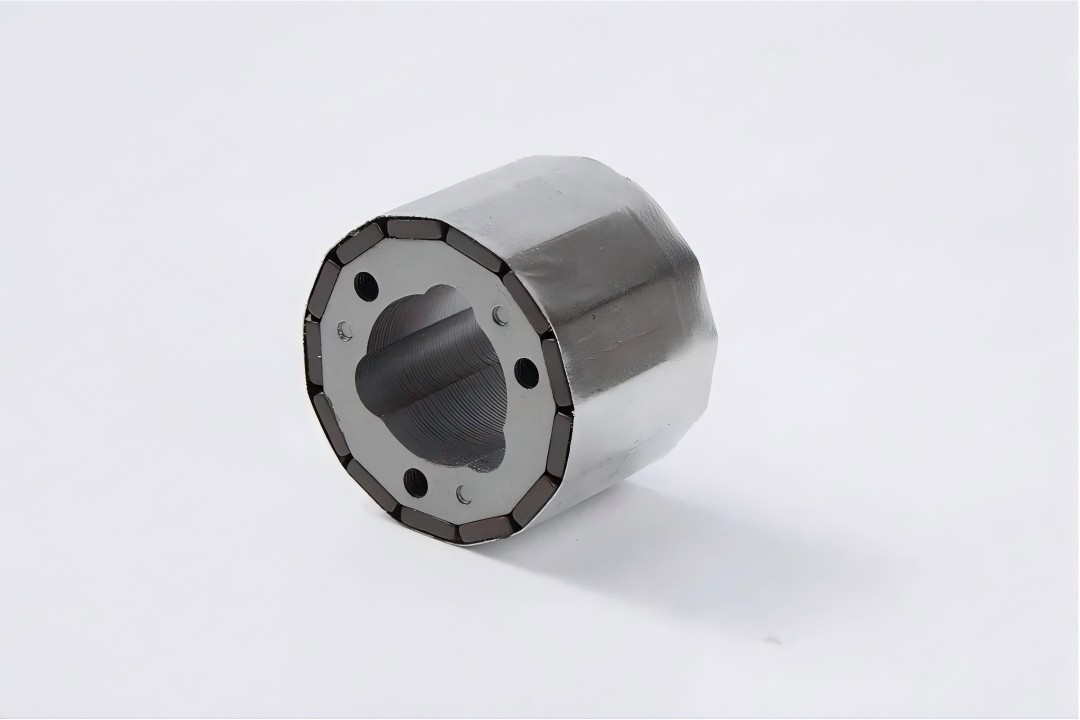
3. Typical Applications of Tunnel Magnetic Structure
The flux-concentration characteristics of tunnel magnetic structures make them suitable for various applications requiring efficient and controlled magnetic fields.
3.1 Precision Motor Drives
In linear motors, servo motors, and miniature motors, tunnel magnetic structures can help improve air-gap magnetic flux density.
With an optimized magnetic circuit, higher torque and power density may be achieved without significantly increasing the overall motor size, supporting more compact motor designs.
3.2 High-Precision Sensors and Detection Systems
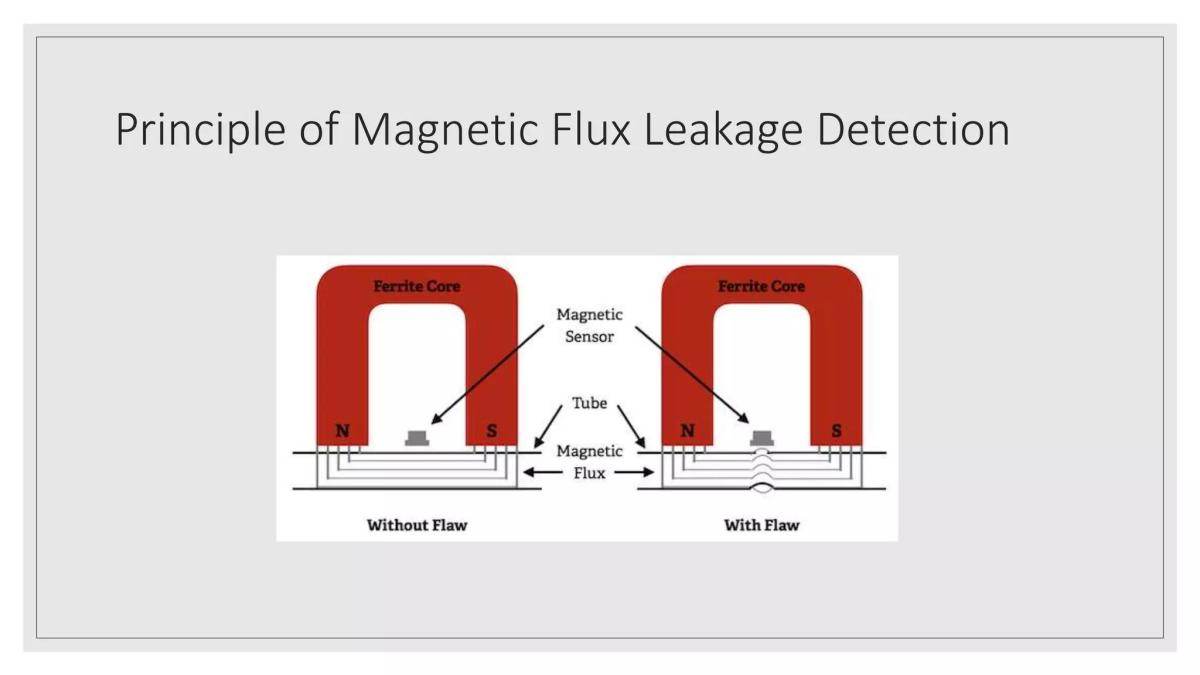
In magnetic encoders, displacement sensors, and Hall-effect sensor assemblies, magnetic field consistency directly affects signal quality and measurement accuracy.
An optimized tunnel magnetic structure can improve magnetic field distribution in the sensing area and help reduce measurement errors caused by unwanted magnetic field variations.
3.3 Magnetic Holding Devices and Fixtures
In precision magnetic fixtures and compact magnetic holding devices, concentrated magnetic fields can improve effective holding force within a specified working area.
This makes it possible to develop more compact magnetic holding structures while maintaining the required performance.
3.4 Medical Equipment and Precision Instruments
Certain medical detection devices and precision analytical instruments have demanding requirements for magnetic field strength, uniformity, and external magnetic interference.
Tunnel magnetic structures, combined with appropriate magnetic shielding when necessary, can help improve magnetic field performance in the working area while minimizing interference with surrounding sensitive components.
4. Key Design Considerations for Tunnel Magnetic Structures
The performance of a tunnel magnetic structure depends on accurate magnetic circuit design and the proper matching of its components.
Several factors should be considered during the design process.
4.1 Determine the Structure Based on Air-Gap Requirements
First, define the required air-gap dimensions, target magnetic flux density, and magnetic field distribution.
Based on these requirements, the tunnel cross-section, structure length, and magnet arrangement can be optimized to balance flux concentration, structural space, and manufacturing costs.
4.2 Select Magnets Based on Operating Conditions
Magnet materials and grades should be selected according to operating temperature, load conditions, and potential demagnetizing fields.
For high-temperature applications, sufficient demagnetization resistance should be verified to ensure long-term magnetic stability.
4.3 Optimize the Magnetic Yoke Structure
A high-permeability magnetic yoke helps guide magnetic flux along the intended path and improve flux utilization.
The material, cross-sectional area, and magnetic properties of the yoke must be carefully selected.
If the cross-sectional area is insufficient, local magnetic saturation may occur, increasing magnetic reluctance and reducing the effectiveness of flux concentration.
4.4 Design for Magnetic Flux Leakage Control
For applications involving magnetically sensitive components, additional attention should be given to external magnetic fields.
The remaining flux leakage should be evaluated, and suitable magnetic shielding structures should be considered to keep interference within acceptable limits.
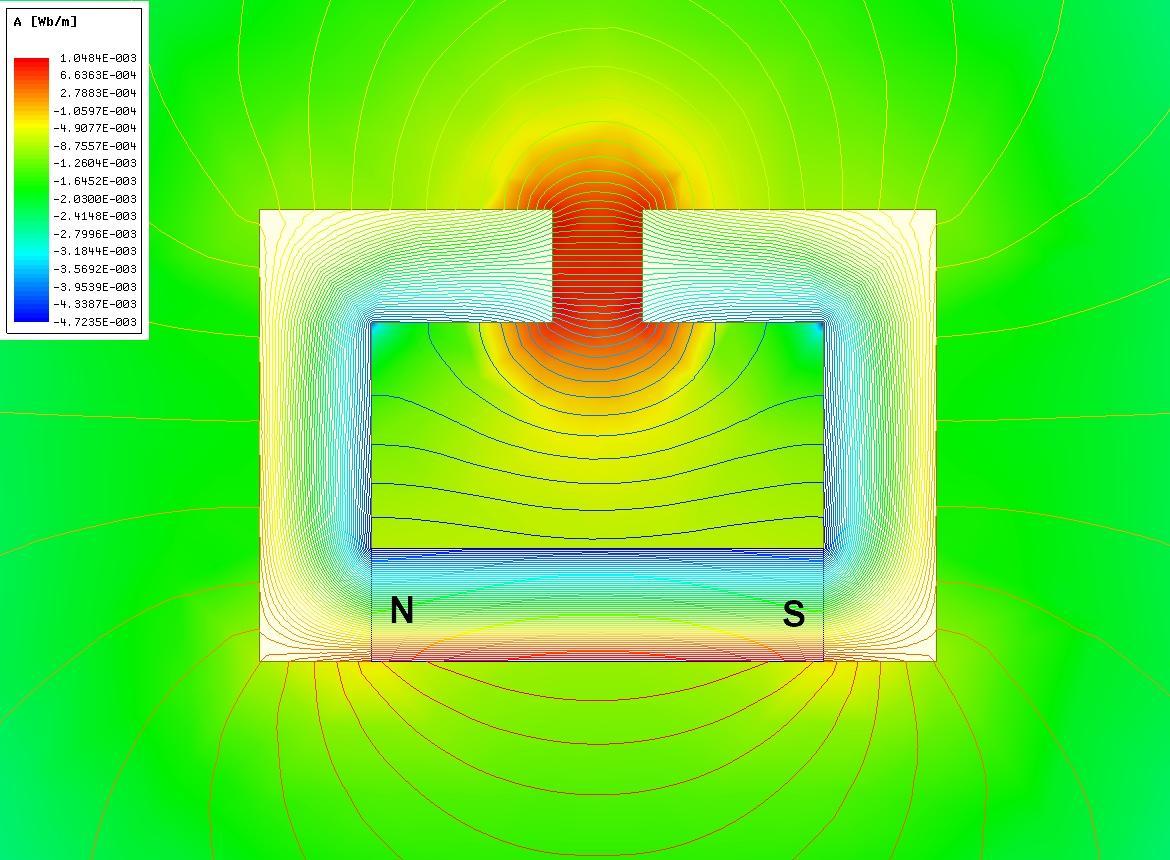
5. Why Should Tunnel Magnetic Design Go Beyond Magnet Grade Selection?
In practical permanent magnet assembly design, magnet grade is not the only factor determining final magnetic field performance.
Even when using the same magnet grade and quantity of NdFeB magnets, different magnet arrangements, magnetic yoke structures, and working air-gap dimensions can produce different magnetic field distributions.
For example, when a device suffers from insufficient air-gap magnetic flux density, simply upgrading the NdFeB magnet grade or increasing the number of magnets may improve magnetic performance, but it can also increase material costs and structural constraints.
In comparison, optimizing the tunnel magnetic structure by reassessing the magnetic flux path, magnetic materials, and air-gap dimensions may provide a more efficient magnetic circuit solution.
Good permanent magnet assembly design is not just about selecting the right magnets. It is also about making the best use of the magnetic flux they generate.
Conclusion
Tunnel Magnetic Structure is a magnetic circuit design approach centered on magnetic flux optimization and concentration.
By combining permanent magnets with appropriately designed magnetic guiding structures, it can reduce flux leakage in non-working areas and improve magnetic field performance in the intended working region.
For applications such as precision motors, sensors, magnetic holding devices, and precision instruments, tunnel magnetic structures offer an effective design approach to improving magnetic flux utilization, optimizing structural dimensions, and enhancing magnetic field performance.
Magnet properties determine the potential of a magnetic field, while intelligent magnetic circuit design determines how effectively that potential is utilized in real-world applications.
Please give us a message
Beijing Saint Langma Magnetic Industry Technology Co., Ltd.