
One stop solution for magnetic products
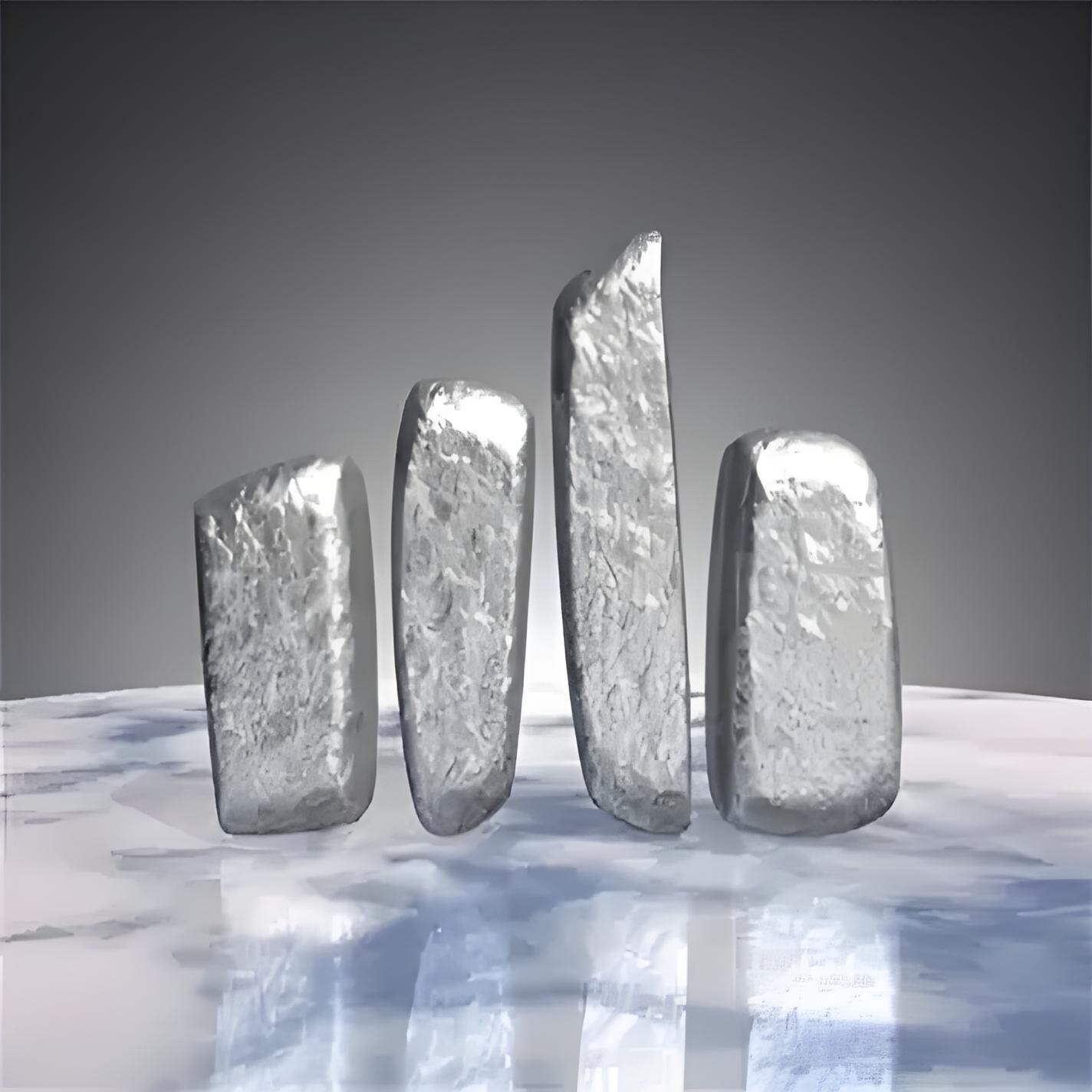
Praseodymium and Neodymium: Silent Partners in the Permanent Magnet World
Praseodymium and neodymium may not be as well-known among the large family of rare earth elements, but they play a vital role in many areas of modern technology. These two elements often coexist, particularly in the development and application of permanent magnet materials, where their mutually reinforcing properties offer numerous possibilities for technological advancement.
1. Natural Properties of the Elements
Praseodymium exhibits a silvery-white metallic luster, is relatively soft, has a certain degree of ductility, and readily alloys with other metals. Neodymium is similar in appearance to praseodymium, but is slightly harder and relatively easily oxidized in air. Therefore, it is typically stored or used as a compound. These natural properties lay the foundation for their practical applications.
2. Resource Distribution and Mining
Globally, praseodymium and neodymium resources are unevenly distributed. Currently, the main known mining areas are concentrated in China, the United States, Australia, and other regions. China holds a leading position in the mining and refining of rare earth resources, and supplies the majority of the world's praseodymium and neodymium products. Due to this relatively concentrated resource distribution, the international supply chain and prices are susceptible to multiple factors, including policies and environmental requirements.
3.Diverse Application Scenarios
Among their many applications, permanent magnet materials are perhaps the most well-known for praseodymium and neodymium. Neodymium-iron-boron magnets, primarily composed of neodymium, are widely used in motors, wind turbines, and electronic products due to their strong magnetic properties. Adding a certain amount of praseodymium to the alloy can improve the material's stability in high-temperature environments. Furthermore, praseodymium and neodymium are also used in coloring materials such as glass and ceramics. They can impart unique colors to products, such as the yellow hue created by praseodymium or the purple effect created by neodymium. In optical instruments, neodymium-containing glass can also be used to create filters for specific wavelengths.
4. Exploring Sustainable Utilization
As the applications of praseodymium and neodymium expand, the resource recycling and environmental impacts of their mining and use are drawing increasing attention. Technologies for recovering rare earth elements from discarded magnets and electronic products are continuously developing and improving, potentially helping to reduce reliance on primary resources. Furthermore, new refining processes are aiming to reduce waste and pollution during production.
5. Future Possibilities
Amid the continued development of green energy and electronics, market demand for rare earth elements such as praseodymium and neodymium is expected to grow. This is driving related industries to invest more effort in resource efficiency, material performance optimization, and the exploration of alternative solutions. In the future, we may see these elements playing a role in emerging fields such as aerospace and medical devices. As unique functional materials in modern industry, praseodymium and neodymium's value lies not only in their current applications but also in their potential for future technological development. How to leverage their properties while achieving sustainable resource management may be a common challenge for the entire industry.
Search
Categories List
Please give us a message
Beijing Saint Langma Magnetic Technology Co.,Ltd