
One stop solution for magnetic products
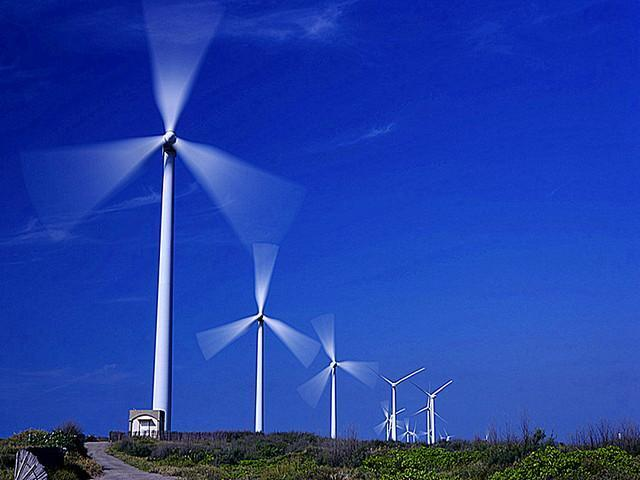
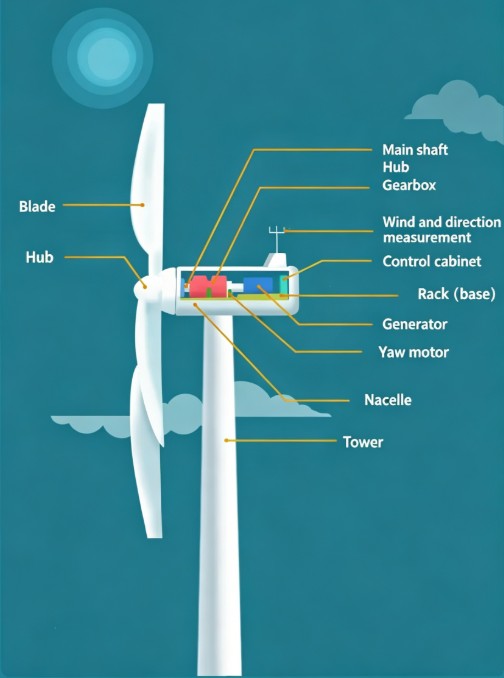
Magnets are essential components of wind power generation systems. Primarily installed inside generators, they enable the conversion of wind energy into electrical energy. Here is a professional overview of magnets applied in wind turbines:
1. Main Magnet Types
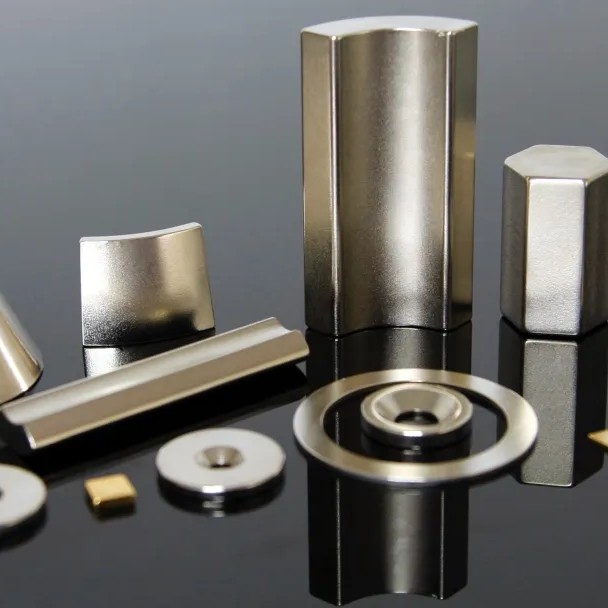
Neodymium Iron Boron (NdFeB) Magnets
As the most widely used rare-earth permanent magnets for wind turbines, NdFeB features high magnetic energy product and coercivity. It generates strong magnetic fields and effectively improves generator efficiency.
Samarium Cobalt (SmCo) Magnets
SmCo magnets excel in high-temperature and highly corrosive environments. With better temperature and corrosion resistance than NdFeB, they are adopted for extreme working conditions at a higher cost.
2. Working Principle
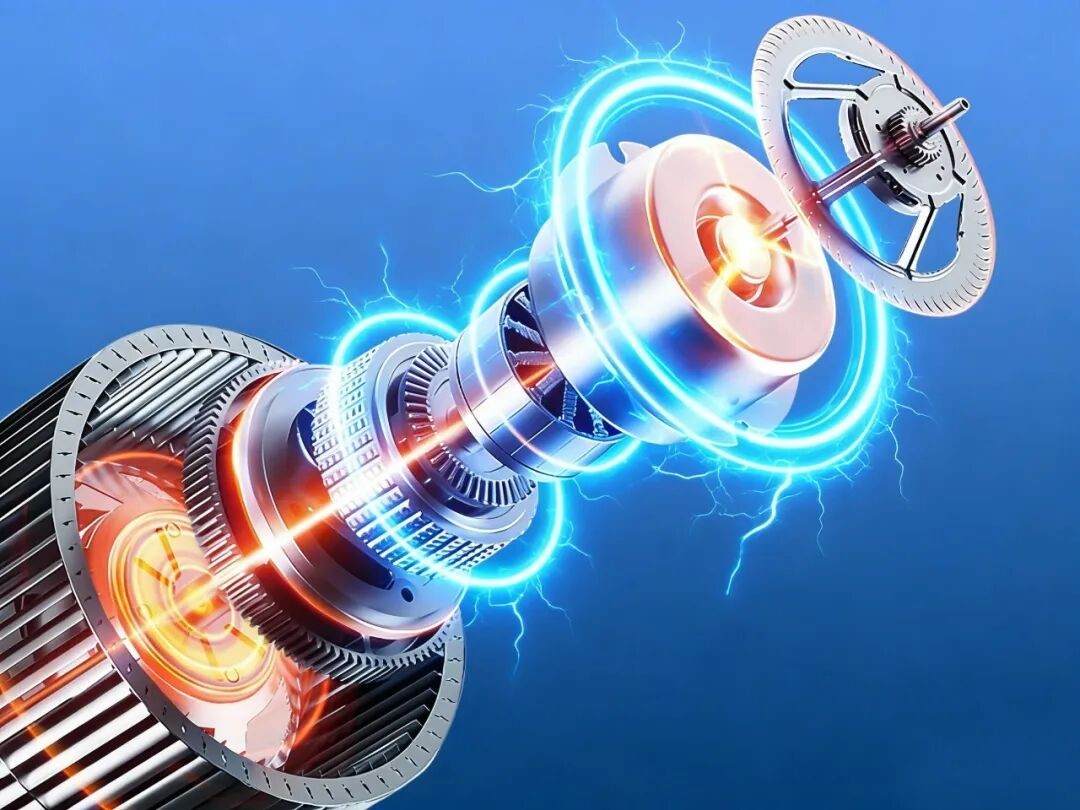
In permanent magnet synchronous generators (PMSG) and direct-drive wind turbines, magnets are mounted on the rotor. Wind rotates the turbine blades, driving the rotor and attached magnets to spin continuously. The rotating magnets cut magnetic induction lines in the stator windings and generate electromotive force based on electromagnetic induction, thereby producing electricity.
3. Key Performance Requirements
- High Coercivity: Avoid demagnetization under high temperature and strong magnetic interference. Magnets can operate stably at temperatures ranging from -40℃ to 120℃ or higher.
- High Remanence: Deliver intense magnetic fields to maximize power generation output.
- Corrosion Resistance: To withstand harsh outdoor environments, magnet surfaces are coated with nickel, zinc or epoxy resin for oxidation and corrosion protection.
4. Critical Application Positions
Generator Rotor
This is the core application position of magnets. NdFeB magnets are installed on the rotor to form a rotating magnetic field for power generation. Direct-drive wind turbines consume 600 to 800 kilograms of NdFeB magnets per megawatt, while semi-direct-drive turbines also apply magnets on rotors or low-speed shafts.
Pitch System
Permanent magnet motors are used in pitch mechanisms to adjust blade angles. Internal magnets provide magnetic fields to optimize wind energy capture under variable wind speeds.
Yaw System
Large wind turbines adopt yaw systems to align blades with the wind direction. Permanent magnet motors or magnetic brakes ensure stable yaw driving and braking performance.
Different turbines (such as doubly-fed induction generators) have different magnet consumption. Nevertheless, permanent magnets for generator rotors remain the most mainstream and critical application.
5. Consumption Scale
- Direct-drive turbines: 600-800 kg NdFeB magnets per megawatt.
- Semi-direct-drive & doubly-fed turbines: Lower magnet consumption, while high-performance magnets are still required for efficient power generation.
Final Thought
Magnets are indispensable components for efficient and reliable wind power generation. Their material quality and performance directly determine the efficiency and stability of wind turbine systems.
#WindEnergy #RenewableEnergy #WindTurbine #PermanentMagnet #NdFeB #CleanEnergy #EnergyTechnology
Search
Categories List
Please give us a message
Beijing Saint Langma Magnetic Technology Co.,Ltd